Chemical Peel Near Me — Find a Chemical Face Peel & Book Online
Booksy connects you with the best chemical peel specialists near you — licensed estheticians and medical aesthetic providers offering light, medium, and deep chemical peels for acne, hyperpigmentation, sun damage, fine lines, uneven texture, and skin rejuvenation — including glycolic, lactic, salicylic, TCA, Jessner, VI Peel, and medical-grade peel formulas. Browse verified portfolios, compare prices, and book your chemical peel appointment online in seconds. Find a trusted specialist near you and reveal the smoother, clearer skin underneath.
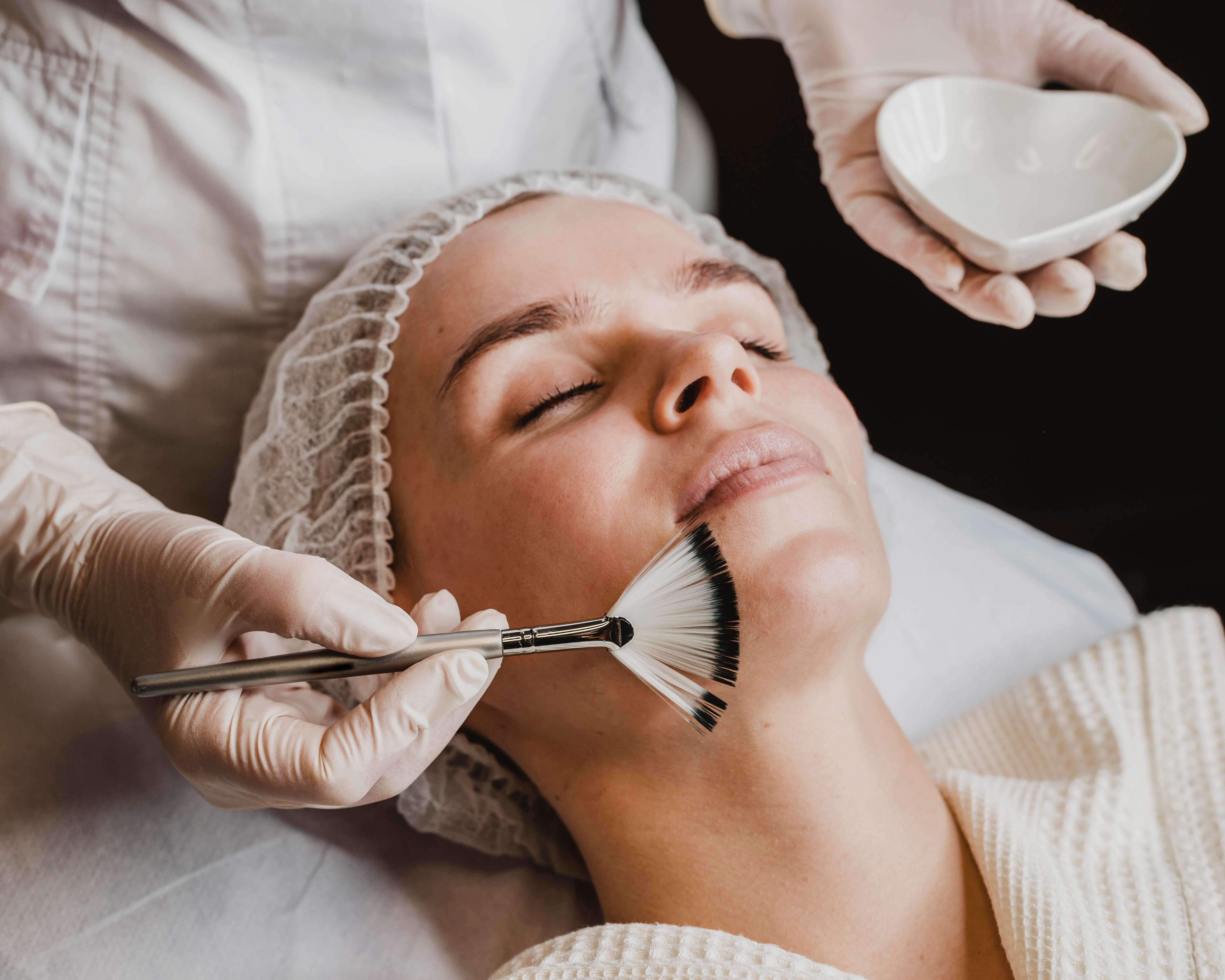
Chemical Peel - around you
Chemical Peel in San Diego
Chemical Peel in Dallas
Chemical Peel in San Antonio
Chemical Peel in Tampa
Chemical Peel in Miami
Chemical Peel in San Jose
Chemical Peel in Chicago
Chemical Peel in San Francisco
Chemical Peel in Houston
Chemical Peel in Philadelphia
Chemical Peel in Austin
Chemical Peel in Jacksonville
Chemical Peel in Charlotte
Chemical Peel in Denver
Chemical Peel in Orlando
Chemical Peel in Atlanta
Chemical Peel in New York City
Chemical Peel in Portland
Chemical Peel - customer reviews




Chemical Peels — Types, How They Work & How to Choose
Medium and deep chemical peels are medical procedures and should only be performed by licensed medical professionals or estheticians working under medical supervision. Always disclose current medications, recent retinoid use, and skin history at your consultation before any peel.
Chemical Peels — Types, How They Work & How to Choose
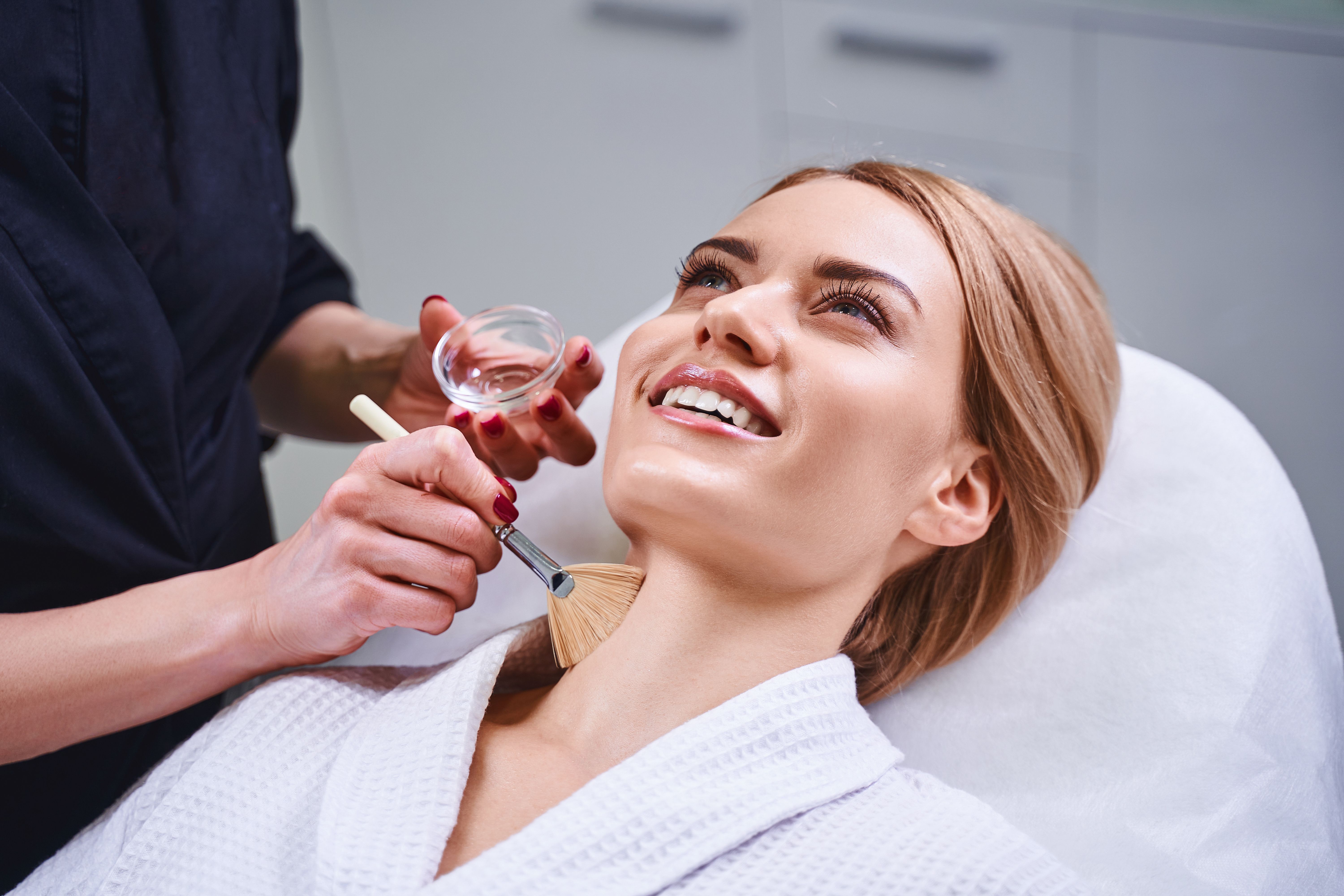
Chemical peels use an acid solution applied to the skin to dissolve the bonds between dead skin cells — accelerating cell turnover to reveal fresher, smoother, more even-toned skin underneath. Here's a complete guide to the peel types available at chemical peel specialists on Booksy.
What is a chemical peel?
A chemical peel applies an acid solution to the skin's surface — causing controlled exfoliation of the outer skin layers and stimulating the skin's natural regeneration process. The depth of the peel (superficial, medium, or deep) determines how many layers of skin are affected, how dramatic the results are, and how long the skin takes to recover. Chemical peels address concerns that physical exfoliation and topical products cannot — they penetrate deeper, stimulate more significant collagen remodeling, and produce results that accumulate meaningfully over a series of treatments. The right peel type depends on the skin concern, the client's skin tone, downtime tolerance, and the provider's assessment of what the skin can safely handle.
Superficial / light chemical peel
Superficial peels target only the outermost layer of the skin (the stratum corneum) — using low-concentration AHAs (glycolic, lactic, mandelic) or BHAs (salicylic acid) to dissolve the surface dead cell layer and accelerate turnover. Light peels cause mild redness and flaking for 1 to 3 days — no significant peeling or visible shedding. Suitable for most skin types and concerns including mild acne, dullness, uneven texture, and maintenance between deeper treatments. Can be performed every 3 to 4 weeks as a consistent skin care protocol. The most accessible entry point into professional chemical exfoliation — widely available from estheticians on Booksy with minimal downtime. Priced at $70 to $130 per session.
Medium chemical peel
Medium peels penetrate to the outer dermis (papillary layer) — using higher-concentration glycolic acid (50 to 70%), TCA (trichloroacetic acid, 15 to 35%), or combination formulas like the Jessner peel to produce more significant skin renewal. The skin will appear red, then darken and peel visibly over 5 to 7 days — flaking and shedding are more pronounced than with light peels. Results are significantly more dramatic — addressing moderate hyperpigmentation, sun damage, acne scarring, fine lines, and uneven skin tone in a way that light peels cannot match in a single treatment. Downtime of 5 to 10 days should be planned. Most effective in a series of 3 to 6 treatments spaced 4 to 8 weeks apart. Available from licensed estheticians and medical aesthetic providers on Booksy.
TCA peel (trichloroacetic acid)
TCA is one of the most versatile and widely used chemical peel acids — available in a range of concentrations (10% to 50%+) that allow it to be used for everything from light superficial peels to aggressive medium-depth treatments. Low-concentration TCA (10 to 20%) produces results similar to a strong AHA peel with 3 to 5 days of downtime. Medium TCA (25 to 35%) reaches the papillary dermis and produces 7 to 10 days of noticeable peeling with significant improvement in pigmentation and texture. High-concentration TCA and full-face deep TCA peels are performed under medical supervision only. TCA peels are particularly effective for hyperpigmentation, acne scarring, and significant sun damage — available from experienced estheticians and medical aesthetic providers on Booksy who list TCA or medium peel in their service menu.
Jessner peel
The Jessner solution combines three active ingredients — salicylic acid (14%), lactic acid (14%), and resorcinol (14%) — in an ethanol base. The synergistic combination produces a more thorough and even penetration than any single acid alone, making Jessner one of the most effective peels for acne-prone, oily, and congested skin. One to three coats can be applied in a single session depending on the desired depth. Jessner is frequently used as a pre-treatment before TCA to enhance penetration and evenness. Available from estheticians on Booksy who list Jessner or combination peel in their service menu — priced at $100 to $200 per session.
VI Peel (VIPeel) and medical-grade branded peels
The VI Peel is a popular medical-grade peel brand containing TCA, salicylic acid, phenol, retinoic acid, and vitamin C in a proprietary formula designed to produce medium-depth results with less aggressive downtime than a comparable TCA peel alone. The multi-acid synergy addresses multiple skin concerns simultaneously — pigmentation, texture, fine lines, acne, and overall radiance. Available from medical spas and licensed estheticians trained in the VI Peel protocol on Booksy. Other widely available branded peels include PCA Skin peels, ZO Stimulator Peel, and SkinCeuticals peels — each with specific formulations for different skin concerns and depths.
Chemical peel for acne and acne scarring
Chemical peels are among the most evidence-supported professional treatments for acne — both active breakouts and post-acne scarring. Salicylic acid peels are the first-line choice for active acne: BHA penetrates oil and dissolves inside the pore, clearing congestion and reducing the inflammatory response. For post-acne hyperpigmentation (dark spots and PIH) and shallow scarring, glycolic, mandelic, or TCA peels accelerate the fading of pigmentation and smooth scar texture. Affordable chemical peels for acne-prone skin — superficial salicylic or light glycolic peels priced at $70 to $130 — are among the best-value professional acne treatments available. A course of 4 to 6 peels spaced 3 to 4 weeks apart produces measurably clearer skin in the majority of clients.
Chemical peel for hyperpigmentation and sun damage
Chemical peels are highly effective for addressing melasma, age spots, sun damage, and post-inflammatory hyperpigmentation — exfoliating the darkened surface cells and stimulating the production of new, more evenly pigmented skin. For darker skin tones (Fitzpatrick III to VI), the choice of peel acid and concentration is particularly important — aggressive peels can trigger post-inflammatory hyperpigmentation in darker skin, making mandelic acid and low-concentration lactic acid the safest starting points. TCA and Jessner peels require particular care on darker skin tones and should only be performed by an experienced provider who has specific experience treating deeper skin tones. Always disclose your skin tone history and any history of PIH at your consultation.
Chemical peel prices — how much does a chemical peel cost?
Chemical peel pricing reflects the depth, acid type, and provider credentials. The ranges below are based on Booksy listings across the US.
| Peel type | Average price | Downtime |
|---|---|---|
| Light / superficial peel (AHA/BHA) | $70 to $130 | 1 to 3 days |
| Acne facial with light peel | $70 to $150 | 1 to 3 days |
| Glycolic peel (medium) | $100 to $175 | 3 to 7 days |
| Jessner peel | $100 to $200 | 5 to 7 days |
| TCA peel (light to medium) | $130 to $300 | 5 to 10 days |
| VI Peel / VIPeel | $150 to $350 | 5 to 7 days |
| PCA / medical-grade peel | $150 to $300 | 3 to 7 days |
| Deep chemical peel (medical) | $600 to $3,000+ | 2 to 3 weeks |
| Consultation | Free to $145 | — |
Prices reflect average ranges from Booksy listings across the US. Chemical peel pricing varies by provider credentials, peel depth, and brand of product used. Always book a consultation before a medium or deep peel — skin assessment, patch testing, and pre-treatment preparation are required. Check individual listings on Booksy for exact pricing and what is included.
Frequently asked questions about chemical peels
What does a chemical peel do?
A chemical peel applies an acid solution to the skin to dissolve the bonds holding dead skin cells together — causing the outer skin layer to shed and stimulating the production of new, fresher skin. Depending on the depth of the peel, results include improved skin texture, reduced hyperpigmentation and dark spots, clearer acne, reduced fine lines, more even skin tone, and a noticeable increase in radiance and glow. Results build over a series of treatments and continue improving for weeks after each peel as new collagen forms.
How long does a chemical peel take to heal?
A light superficial peel heals in 1 to 3 days — mild redness and light flaking, easily covered with makeup. A medium peel (Jessner, TCA, glycolic 50%+) takes 5 to 10 days — the skin will redden, darken, and peel visibly before revealing fresh skin underneath. A deep peel takes 2 to 3 weeks to fully heal. Always plan downtime according to the depth of peel being performed — and follow your esthetician's aftercare instructions precisely to avoid complications.
How many chemical peels do I need?
For light peels addressing acne or maintenance: a series of 4 to 6 peels spaced 3 to 4 weeks apart is the standard recommendation, then monthly maintenance. For medium peels addressing hyperpigmentation or sun damage: 3 to 6 peels spaced 4 to 8 weeks apart. A single medium or deep peel can produce significant improvement — but the best long-term results come from a consistent series combined with a professional home care routine.
Are chemical peels safe for darker skin tones?
Yes — with the right acid choice and concentration. Mandelic acid, low-concentration lactic acid, and salicylic acid are the safest choices for Fitzpatrick III to VI skin tones. Aggressive TCA and Jessner peels carry a higher risk of post-inflammatory hyperpigmentation in darker skin and should only be performed by a provider with specific experience treating deeper skin tones. Always disclose your skin tone, any history of PIH, and any current medications at your consultation before a peel.
What is the difference between a chemical peel and microdermabrasion?
Chemical peels use acid chemistry to dissolve the bonds between skin cells and trigger regeneration from within — producing more significant results for pigmentation, acne, and deeper skin concerns. Microdermabrasion uses physical exfoliation (diamond tip or crystal abrasion) to mechanically buff away the surface dead cell layer — improving texture and radiance with zero downtime but less impact on deeper concerns like pigmentation and scarring. Chemical peels produce more dramatic results; microdermabrasion offers more immediate comfort and no recovery period.
Is there a chemical peel specialist open now near me?
Use the availability filter on Booksy to find chemical peel providers with open slots today. Light peels may be available on short notice; medium and deep peels typically require a consultation appointment first. Filter by real-time availability to find who can see you now.
Are there chemical peel specialists open on Saturday or Sunday?
Many estheticians and med spas offering chemical peels on Booksy are open on weekends. Use the weekend availability filter to find providers near you with open Saturday or Sunday appointments — and book ahead to secure your preferred specialist.
Popular treatments
- Facial
- Facial Rejuvenation
- Back Facial
- Dermaplaning
- Microdermabrasion
- Facial Peels
- Acne Face Treatment
- Skin Care Consultation
- Vajacial
- Acne Body Treatment
- Sugar Scrub
- Laser Skin Resurfacing
- Non-Surgical Face Lift
- Dermabrasion
- Mesotherapy
- Eye Bag Removal
- Oxygen Infusion
- Manual Cleansing
- Discoloration
- Hydrogen Cleansing
- Cosmelan
- Oxybrasion
- Darsonval