Piercings Near Me — Find a Piercing Studio & Book Online
Booksy connects you with the best piercing studios and professional piercers near you — experienced body piercers offering ear piercing, nose piercing, septum piercing, belly button piercing, cartilage piercing, tongue piercing, eyebrow piercing, nipple piercing, dermal piercing, lip piercing, baby ear piercing, and piercing removal. Browse verified portfolios, compare prices, and book your piercing appointment online in seconds, any time of day. Find a trusted, recommended piercer near you and get pierced safely and professionally.
Piercing - around you
Piercing in San Diego
Piercing in Dallas
Piercing in San Antonio
Piercing in Tampa
Piercing in Miami
Piercing in Chicago
Piercing in Columbus
Piercing in Houston
Piercing in Philadelphia
Piercing in Oakland
Piercing in Jacksonville
Piercing in Charlotte
Piercing in Orlando
Piercing in Atlanta
Piercing in New York City
Piercing in Portland
Piercing - customer reviews
Piercing Types — What's Available & How to Choose
Body piercing encompasses dozens of placements — from the most common earlobe to the most intricate cartilage and surface work. Here's a guide to the most popular piercing types at professional piercers on Booksy.
Ear piercings
Ear piercings are the most widely booked piercing category on Booksy — and they span a wide range of placements beyond the standard earlobe. Earlobe piercings are the most common, healing in 6 to 8 weeks with proper aftercare. Cartilage piercings — helix (outer rim), tragus (the small cartilage nub in front of the ear canal), daith (the inner cartilage fold), conch (the cup of the ear), rook, flat, and orbital — heal slower (6 to 12 months) and require a piercer with skill in cartilage work to place the jewelry correctly for clean healing. Industrial piercings connect two cartilage holes with a single long barbell across the upper ear — one of the most dramatic and distinctive ear piercing options. Always choose a professional piercer for cartilage work — improper technique or jewelry can cause cartilage damage and chronic infection.
Nose piercings
Nose piercings are among the most popular facial piercings — the nostril is the most common placement, healing in 4 to 6 months. The septum (the cartilage between the nostrils) is one of the fastest-growing piercing trends — healing in 6 to 8 weeks when placed correctly in the soft tissue spot (the "sweet spot") rather than through cartilage, and easily hidden when desired by flipping the jewelry up. The bridge (the surface of the nose between the eyes) and high nostril are more advanced placements available from experienced piercers. Booksy has dedicated pages for nose piercing and septum piercing with full pricing and aftercare details.
Belly button and navel piercings
The belly button (navel) piercing passes through the skin above the navel in the most common placement — healing typically takes 6 to 12 months due to the constant movement and pressure from clothing. Proper placement by an experienced piercer is critical for long-term healing — a poorly placed navel piercing is prone to migration and rejection. The piercer should assess the anatomy of the navel before proceeding, as not all navel shapes are suitable for standard placement. Curved barbells are the standard starting jewelry; solid implant-grade titanium or solid gold minimizes the risk of allergic reaction during healing. See Booksy's dedicated belly button piercing page for full details.
Tongue piercings
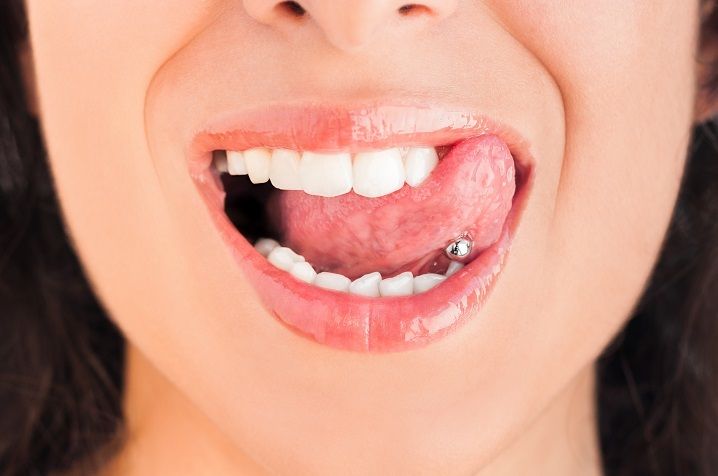
Tongue piercings are placed through the center of the tongue and heal in 4 to 8 weeks — one of the fastest-healing piercings due to the tongue's exceptional blood supply and regenerative tissue. Initial jewelry is a longer barbell to accommodate swelling in the first 2 weeks; a shorter bar is fitted after swelling subsides. The tongue is a sensitive area with significant vascular anatomy — proper placement by a skilled piercer is essential to avoid blood vessels and ensure the bar sits correctly. See Booksy's dedicated tongue piercing page for full pricing and aftercare information.
Eyebrow piercings
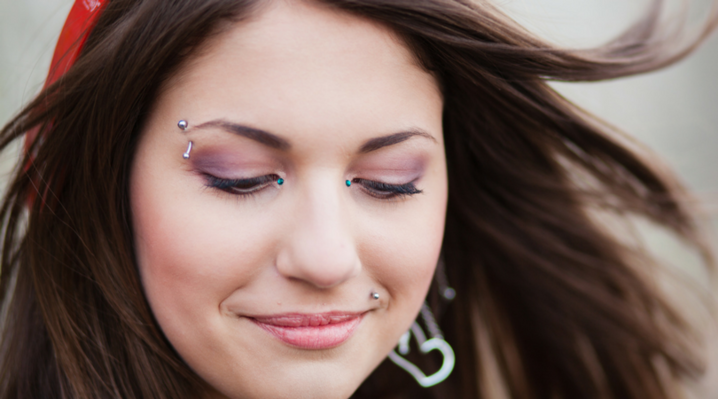
The eyebrow piercing is a surface piercing that passes through the skin at the outer edge of the eyebrow — placed at a 35-degree angle to follow the brow line. Surface piercings have a higher rejection rate than piercings through defined tissue — proper placement, implant-grade curved barbell jewelry, and diligent aftercare significantly improve the long-term outcome. Healing takes 9 to 12 months. An experienced surface piercer will assess the brow anatomy and skin thickness before placement to maximize the chance of successful long-term healing.
Nipple piercings
Nipple piercings are among the most requested body piercings for both men and women — placed horizontally through the nipple at the base. Healing takes 9 to 12 months and requires consistent aftercare during this period. Straight or curved barbells in implant-grade titanium are the recommended starting jewelry. A professional piercer ensures correct depth and placement — a piercing placed too shallowly risks rejection. Available from body piercing specialists on Booksy who list nipple piercing specifically in their service menu.
Dermal and surface piercings
Dermal anchors (microdermals) are single-point piercings placed anywhere on the skin — a small foot anchor is inserted beneath the surface with a decorative top visible above the skin. Popular placements include the collarbone, chest, back dimples, wrist, and face. Dermal piercings require a piercer skilled in microdermal technique — the anchor must be placed at the correct depth for long-term stability. Migration and rejection are more common than with traditional piercings. Available from specialist body piercers on Booksy.
Lip piercings
Lip piercings encompass several distinct placements — the Monroe (upper lip, off-center), Medusa (center of the upper lip, in the philtrum), labret (below the lower lip, center), snake bites (paired piercings on either side of the lower lip), and spider bites (two close piercings on one side). Healing takes 6 to 12 weeks. Flat-back labret studs are the preferred initial jewelry for most lip placements — they sit flush against the inner lip surface and reduce gum and tooth contact compared to traditional studs with balls.
Baby and children's ear piercing
Baby ear piercing and children's ear piercing require a specialist who is experienced with young clients — using implant-grade, hypoallergenic jewelry (titanium or solid gold), a precise placement technique, and the patience and skill to work with babies and children who may be nervous or moving. See Booksy's dedicated baby ear piercing page for full details on what to expect and how to prepare your child. Always choose a professional piercer for baby ear piercing — a piercing gun (commonly used at mall kiosks) is not recommended for babies or cartilage piercings by professional piercing associations.
Piercing removal
Piercing removal — professionally removing jewelry from an existing piercing, particularly for piercings with internally threaded or press-fit jewelry that requires a specific tool to remove safely — is available from body piercing specialists on Booksy. Attempting to remove certain types of jewelry at home without the correct tool risks damaging the jewelry, irritating the piercing, or injuring the surrounding tissue. A professional piercer can also advise on whether a problematic piercing can be saved or should be retired.
Piercing prices — how much does a piercing cost?
Piercing pricing typically includes the piercing service and starter jewelry. The ranges below are based on Booksy listings and market rates across the US.
| Piercing type | Average price | Healing time |
|---|---|---|
| Earlobe (single) | $30 to $80 | 6 to 8 weeks |
| Earlobe (pair) | $50 to $100 | 6 to 8 weeks |
| Cartilage (helix, tragus, daith, etc.) | $40 to $80 | 6 to 12 months |
| Industrial | $50 to $90 | 6 to 12 months |
| Nostril | $40 to $80 | 4 to 6 months |
| Septum | $40 to $80 | 6 to 8 weeks |
| Eyebrow | $40 to $80 | 9 to 12 months |
| Belly button / navel | $40 to $80 | 6 to 12 months |
| Tongue | $40 to $80 | 4 to 8 weeks |
| Lip (labret, Monroe, Medusa) | $40 to $80 | 6 to 12 weeks |
| Nipple (each) | $50 to $90 | 9 to 12 months |
| Dermal anchor | $70 to $120 | 1 to 3 months |
| Baby ear piercing (pair) | $50 to $100 | 6 to 8 weeks |
| Piercing removal | $10 to $30 | — |
Prices reflect average ranges from Booksy listings and market rates across the US. Piercing pricing typically includes the service and a standard implant-grade titanium starter piece. Upgraded jewelry (solid gold, decorative tops) adds to the price. Always check individual listings on Booksy for exact pricing before booking.
Frequently asked questions about piercings
How do I find a professional piercing studio near me?
Search Booksy by location for piercing studios and piercers near you. Look specifically for providers who list the type of piercing you want in their service menu — not all piercers offer all placement types. Browse their portfolio for healed examples of the specific piercing you want, read reviews that mention their technique, jewelry quality, and aftercare guidance, and confirm they use implant-grade titanium or solid gold starter jewelry. A professional piercer will always be willing to answer questions about their process and jewelry before you book.
How much do piercings cost?
Earlobe piercings cost $30 to $80 per ear. Cartilage piercings (helix, tragus, daith) run $40 to $80. Nose and septum piercings cost $40 to $80. Belly button, tongue, and lip piercings cost $40 to $80. Nipple piercings run $50 to $90 each. Dermal anchors cost $70 to $120. Baby ear piercing pairs cost $50 to $100. Pricing typically includes the service and standard implant-grade titanium starter jewelry — upgraded jewelry adds to the price.
What jewelry is safest for a new piercing?
Implant-grade titanium (ASTM F136) is the safest and most widely recommended material for new piercings — it is lightweight, hypoallergenic, and available in a range of anodized colors. Solid 14k or 18k gold (yellow, white, or rose) is also excellent for new piercings. Avoid surgical steel (which contains nickel and can cause reactions), plated metals, acrylic, and mystery alloys in new piercings. A professional piercer will always use appropriate implant-grade starting jewelry.
Should I get pierced with a gun or a needle?
A sterile, single-use hollow needle is the professional standard for all body piercings — including earlobes. Piercing guns cannot be fully sterilized, cause blunt-force trauma to the tissue rather than a clean puncture, and are not suitable for cartilage (where they can cause shatter and long-term damage). Professional body piercers use needles exclusively. The Association of Professional Piercers (APP) specifically advises against the use of piercing guns for any placement.
Is there a piercing studio open now near me?
Use the availability filter on Booksy to find piercing studios with open slots today. Many piercing studios accept walk-in appointments for straightforward piercings like earlobes and nostrils — more complex placements benefit from a brief consultation before the appointment. Filter by real-time availability to find who can take you now.
Are there piercing studios open on Saturday or Sunday?
Yes — most piercing studios and tattoo shops offering piercing services on Booksy are open on weekends. Saturday is the most popular piercing day. Use the weekend availability filter on Booksy to find piercers near you with open Saturday or Sunday appointments — and book ahead for popular studios to secure your preferred piercer.