Tongue Piercing Near Me - Find a Piercer & Book Online
Booksy connects you with the best tongue piercing specialists near you — experienced, professional piercers who perform tongue piercings safely using sterile, single-use needles and implant-grade jewelry. Browse verified reviews, compare prices, and book your tongue piercing appointment or consultation online in seconds. Find a qualified piercer near you who will assess your anatomy, discuss placement options, and ensure a safe, well-executed result.
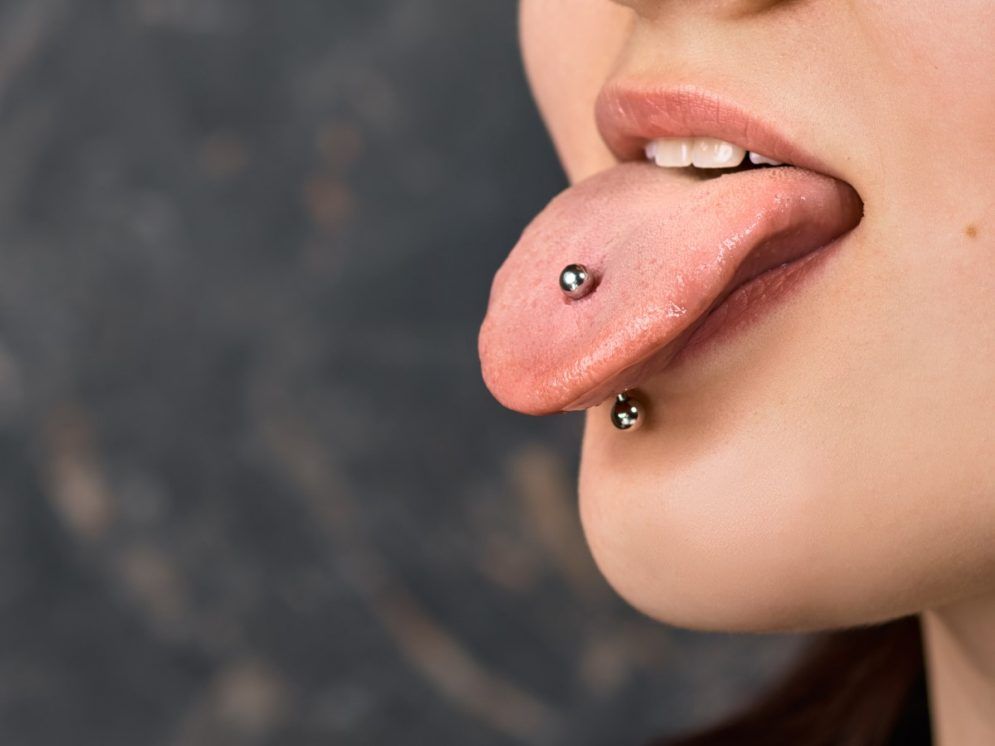
Tongue Piercing - around you
Tongue Piercing - customer reviews



Tongue Piercing — Placements, Safety & What to Expect
A tongue piercing is one of the most visible and impactful oral piercings — but also one that requires the most careful anatomical assessment and experienced placement. Here's what you need to know about tongue piercing on Booksy before booking.
Standard midline tongue piercing
The most common and widely accepted tongue piercing — a vertical bar placed through the center of the tongue, carefully positioned to avoid the major blood vessels and nerve clusters that run along the underside and sides of the tongue. Before proceeding, a qualified piercer will assess the underside of the tongue (frenulum, vein placement) and the tongue's overall anatomy to confirm the ideal placement point. Standard tongue piercings use a straight barbell — typically 14g implant-grade titanium as starter jewelry. Healing takes 4 to 8 weeks. The safest tongue placement available and the one most consistently accepted by trained piercers worldwide.
Venom piercing (double tongue)
A venom piercing consists of two symmetrically placed piercings on either side of the tongue — resembling snake fangs when jewelry is worn. Unlike snake eyes (see below), a venom piercing uses two separate vertical placements through the body of the tongue rather than a single horizontal bar through the tip, making it a significantly safer variation of a double tongue piercing. It requires careful anatomical assessment and is typically done in two separate appointments to allow the first side to stabilize before the second is added. Available from experienced specialist piercers who will assess suitability at consultation.
Tongue web / frenulum piercing
The tongue web piercing goes through the frenulum — the thin membrane that connects the underside of the tongue to the floor of the mouth. It's a surface piercing rather than a tongue-through piercing, and uses a small curved barbell or horseshoe. The frenulum varies significantly in thickness and attachment between individuals — a piercer will assess whether the anatomy is suitable before proceeding. Because it's a surface piercing, there is a higher risk of rejection or migration over time than a standard tongue piercing, and the frenulum must have enough tissue to support the jewelry safely.
Snake eyes and frog eyes piercings — important information
Snake eyes (a horizontal barbell through the tip of the tongue) and frog eyes (two surface piercings on the top of the tongue) are widely searched-for placements. However, these piercings are actively discouraged by the Association of Professional Piercers (APP) and most reputable piercers due to significant documented risks — the horizontal bar in a snake eyes piercing binds the two muscle groups that control tongue movement, which can permanently impair speech, swallowing, and tongue function. Both placements also carry a very high rate of damage to teeth and gums from constant jewelry contact, and significant risk of rejection, migration, and nerve damage. Many professional piercers will decline to perform these placements on safety grounds. If you are interested in a double tongue or alternative tongue aesthetic, discuss this with a qualified piercer — they can advise on safer alternatives that achieve a similar visual effect.
Jewelry for tongue piercings
Starter jewelry for a tongue piercing is typically a longer straight barbell (to accommodate swelling during healing) made from implant-grade titanium, ASTM F-136 titanium, or solid 14k gold. Once the piercing is fully healed — typically 4 to 8 weeks — the jewelry can be changed to a shorter bar that sits more comfortably against the teeth. Always have the first jewelry change done by your piercer rather than attempting it yourself, as tongue piercings can begin to close quickly even in the early healed stage.
Tongue piercing prices — how much does a tongue piercing cost?
Tongue piercing prices typically include the service and starter jewelry. The ranges below reflect average US market pricing.
| Service | Average price | Duration |
|---|---|---|
| Standard tongue piercing (with jewelry) | $40 to $80 | 10 to 20 min |
| Tongue piercing (premium gold jewelry) | $70 to $120 | 10 to 20 min |
| Venom piercing (each side) | $45 to $90 per side | 10 to 20 min each |
| Tongue web / frenulum piercing | $40 to $80 | 10 to 20 min |
| Jewelry change (healed) | $10 to $25 | 5 to 10 min |
| Consultation | Free to $25 | 15 to 30 min |
Prices reflect average US market ranges and typically include starter jewelry. Always confirm what metal is included — implant-grade titanium is the recommended minimum for oral piercings. Pricing varies by piercer experience and location.
Frequently asked questions about tongue piercings
How much is a tongue piercing?
A standard tongue piercing typically costs between $40 and $80, including starter jewelry. Premium gold jewelry upgrades bring the total to $70 to $120. Venom piercings cost $45 to $90 per side. Exact pricing is listed on every Booksy profile before you book — always confirm what metal is included in the quoted price.
Does a tongue piercing hurt?
Most clients describe the piercing itself as a brief, sharp sensation — over in a second. Because the tongue has a high density of nerve endings, the initial sensation can be more intense than a cartilage or body piercing, but the actual procedure is extremely quick. The days following the piercing involve more significant discomfort — swelling, tenderness, and difficulty speaking or eating — which typically peaks at 48 to 72 hours and resolves within 1 to 2 weeks.
How long does a tongue piercing take to heal?
A standard tongue piercing typically heals in 4 to 8 weeks — faster than most cartilage piercings because the tongue has an excellent blood supply. However, "healed" at 4 weeks means the surface appears healed — the internal channel continues to mature for several months. Avoid changing the jewelry yourself until 6 to 8 weeks have passed, and have the first downsizing done by your piercer.
What to eat after a tongue piercing?
For the first week, soft, cool foods are best — yogurt, smoothies, ice cream, scrambled eggs, mashed potatoes, and similar textures. Avoid spicy, acidic, and crunchy foods that can irritate the healing tissue. Avoid alcohol, which increases bleeding and swelling and impairs healing. Rinse your mouth with an alcohol-free saline mouthwash after every meal and after drinking anything other than water throughout the healing period.
Are snake eyes tongue piercings safe?
Snake eyes piercings — a horizontal bar through the tip of the tongue — are actively discouraged by the Association of Professional Piercers and most reputable piercers due to documented risks including impaired tongue movement from the bar binding the tongue muscles, significant damage to teeth and gums from constant jewelry contact, and a high rate of rejection and migration. Many professional piercers will decline to perform this placement. If you're interested in a double tongue aesthetic, discuss safer alternatives with a qualified piercer at a consultation.
Where can I get my tongue pierced near me?
Search Booksy by location and filter for tongue piercing. Every listing shows the piercer's portfolio, verified reviews, pricing, and live availability. Look for piercers who specify their training and jewelry standards — implant-grade titanium or 14k gold is the safest choice for oral piercings. For any placement other than a standard midline piercing, book a consultation first so the piercer can assess your anatomy before committing to a placement.
Is there a tongue piercing specialist open now near me?
Use the availability filter on Booksy to find tongue piercing specialists with open slots today. Tongue piercing is a specialist oral piercing — available from experienced piercers at tattoo and piercing studios. Booking ahead gives you the best choice of qualified piercer.
Are there tongue piercing studios open on Saturday or Sunday?
Yes — most piercing studios on Booksy are open on weekends. Use the Saturday or Sunday availability filter to find specialists near you with open slots — and book ahead if you want a specific piercer, as weekend appointments fill quickly.