Ombre Hair Near Me — Find an Ombre Hair Colorist & Book Online
Booksy connects you with the best ombre hair colorists near you — experienced hair color specialists offering classic ombre, sombre, reverse ombre, color melt, ombre balayage, and every gradient color technique from dark roots to light ends, in natural, bold, or fashion-forward color combinations. Browse verified portfolios, compare prices, and book your ombre hair appointment online in seconds, any time of day. Find a trusted colorist near you and get the gradient you've been picturing.
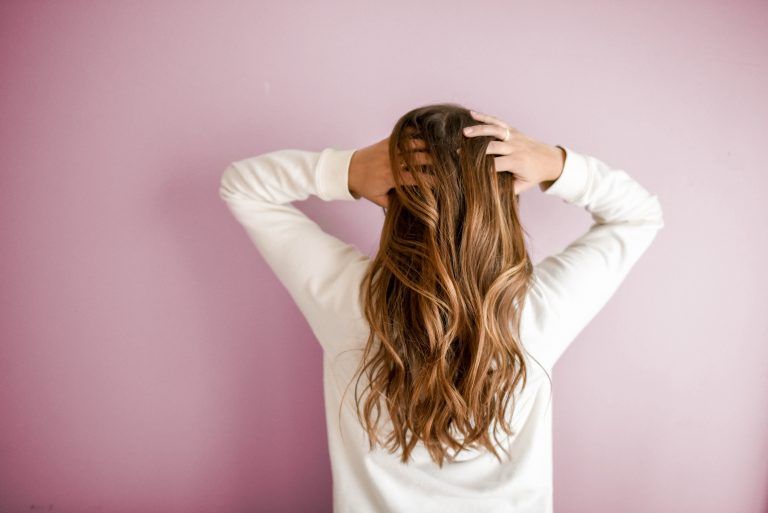
Ombre Hair - around you
Ombre Hair in Dallas
Ombre Hair in San Antonio
Ombre Hair in Tampa
Ombre Hair in Miami
Ombre Hair in San Jose
Ombre Hair in Chicago
Ombre Hair in Columbus
Ombre Hair in Houston
Ombre Hair in Philadelphia
Ombre Hair in Oakland
Ombre Hair in Austin
Ombre Hair in Jacksonville
Ombre Hair in Charlotte
Ombre Hair in Orlando
Ombre Hair in Atlanta
Ombre Hair in New York City
Ombre Hair in Portland
Ombre Hair - customer reviews

Ombre Hair — What It Is, Styles & How to Choose a Colorist
Ombre is one of the most enduringly popular color techniques — and one of the most versatile. Here's a complete guide to ombre hair and what's available from ombre hair colorists on Booksy.
What is ombre hair?
Ombre (from the French word for "shaded") is a hair coloring technique that creates a graduated, blended transition from a darker shade at the roots and mid-lengths to a lighter shade at the ends — or from one color to a different color entirely. The defining characteristic of ombre is the visible, intentional gradient — a clear transition from dark to light (or color to color) that is part of the look's design rather than something to be hidden. Unlike highlights or balayage, which aim for a natural, diffused, sun-kissed effect, ombre embraces the contrast between the two tones — the gradient is the statement. The technique has evolved significantly since its popularization in the early 2010s — modern ombre is far more refined and customizable than the early "dip-dyed" versions, with colorists now creating seamless, multi-tonal gradients tailored to the client's base color, skin tone, and desired result.
Classic ombre (dark to light)
Classic ombre transitions from the client's natural or colored darker root through a gradient to a lighter shade at the ends. The most common combinations include dark brown to caramel or honey blonde, black to medium brown, brunette to light blonde, and dark brown to red or copper. The darker root section grows out naturally — meaning ombre is significantly lower maintenance than all-over color, as the dark-to-light gradient simply becomes more pronounced as the hair grows and continues to look intentional rather than grown-out. Classic ombre is most effective on medium to long hair, where the full gradient has length to develop. Short hair ombre is achievable but with a more compressed and dramatic transition.
Sombre (soft ombre)
Sombre — a portmanteau of "subtle" and "ombre" — uses a more gradual, less contrasted gradient than classic ombre. The transition between the darker and lighter sections is more diffused, blended, and natural-looking — closer to a very soft balayage in appearance. Sombre is the right choice for clients who want the ombre effect with less contrast, a more natural finish, or a more gradual transition appropriate for finer hair or more conservative color preferences. It is also the more forgiving option for clients who are unsure how much contrast they want — the softer gradient is easier to live with if the result is stronger than anticipated.
Reverse ombre (light to dark)
Reverse ombre flips the traditional gradient — starting lighter at the roots and transitioning to a darker shade at the ends. Popular with clients who have naturally lighter or previously lightened roots who want to add depth and richness to the mid-lengths and ends, or who want a distinctive, intentional look that subverts the expected direction. Reverse ombre is particularly striking in bold or fashion colors — a platinum root fading into a deep violet or jewel tone at the ends, for example.
Ombre vs balayage — what's the difference?
These two techniques are frequently confused — and many colorists use the terms loosely or interchangeably. The technical distinction: ombre is a gradient achieved by lightening (or coloring) from a defined horizontal line, creating a clear transition zone between the darker and lighter sections — the result has visible contrast and a deliberate, structured gradient. Balayage (from the French "to sweep") is a freehand painting technique where the colorist sweeps lightener or color onto specific sections of the hair in a natural pattern — the result is more diffuse, dimensional, and sun-kissed, without a defined transition line. In practice: ombre is more graphic and contrasted; balayage is more natural and lived-in. Many modern color services combine both — a balayage painting technique with an ombre-like gradient result — listed on Booksy as "ombre balayage," "balayage ombre," or "color melt." See the dedicated balayage page on Booksy for full detail on that specific technique.
Color melt and multi-tonal ombre
A color melt is a modern evolution of the ombre technique — using multiple shades blended seamlessly into each other (typically 3 to 5 tones) to create a smooth, dimensional, flowing color effect without any visible demarcation lines between the shades. The result is richer and more complex than a simple two-tone ombre — the gradient appears to flow naturally through the hair with the same depth and variety as natural hair color variation. Color melt is the most technically demanding and most impactful of the gradient color techniques, requiring a colorist with strong color formulation skills and an understanding of how multiple tones interact as they blend. Priced accordingly — typically at the higher end of ombre pricing.
Ombre on dark and natural hair
Creating ombre on dark or naturally black hair requires significant lightening to lift the ends to the target shade — the darker the base, the more stages of lift are required to reach a light blonde or vibrant color result. On very dark hair, achieving a light blonde ombre end may require bleaching in multiple sessions rather than a single appointment. A skilled colorist will assess the hair's current level, condition, and history at the consultation and advise on what result is achievable safely in one visit versus over multiple sessions. Ombre on dark hair does not have to mean blonde ends — warm brown, chestnut, auburn, caramel, copper, and even deep burgundy all create beautiful, achievable gradients on naturally dark hair without the same degree of lightening.
How to prepare for an ombre appointment
Arrive with clean or lightly washed hair — some residual natural oil at the roots is fine and will not interfere with the lightening process. Do not apply heavy product or dry shampoo before the appointment. Bring 2 to 3 reference photos of the specific ombre gradient you want — showing the root depth, the transition zone, and the target end color. Be honest with your colorist about your full color history — any previous box dye, henna, or metallic dye in the hair affects how the lightener processes and must be disclosed. Understand that a single appointment may not achieve a very light result on very dark or previously colored hair — trust your colorist's assessment of what is achievable safely in one session.
Ombre hair prices — how much does ombre hair cost?
Ombre pricing varies by hair length, base darkness, and gradient complexity. The ranges below are based on Booksy listings across the US.
| Service | Average price | Duration |
|---|---|---|
| Ombre (short / medium hair) | $90 to $200 | 1.5 to 3 hours |
| Ombre (long / thick hair) | $180 to $400+ | 3 to 5 hours |
| Sombre (soft ombre) | $120 to $280 | 2 to 3.5 hours |
| Ombre balayage combo | $195 to $450+ | 3 to 5 hours |
| Color melt (multi-tonal) | $200 to $450+ | 3 to 5 hours |
| Ombre retouch / touch-up | $120 to $280 | 2 to 3.5 hours |
| Color consultation | Free to $30 | 15 to 30 min |
Prices reflect average ranges from Booksy listings across the US. Ombre pricing increases significantly with hair length, density, and how dark the base hair is — very dark hair requires more lightener, more time, and sometimes multiple sessions. Always check individual listings on Booksy for exact pricing and book a consultation before a major color change.
Frequently asked questions about ombre hair
What is ombre hair?
Ombre hair is a graduated color technique that creates a visible transition from a darker shade at the roots and mid-lengths to a lighter shade at the ends — or from one color to another. Unlike balayage (which aims for a natural, diffused effect), ombre embraces the contrast between the two tones as a deliberate design element. Sombre is a softer, more subtle version with less contrast; color melt uses multiple tones for a more dimensional, seamless gradient.
What is the difference between ombre and balayage?
Ombre creates a structured, visible gradient with a defined transition from darker to lighter — the contrast is intentional and part of the look. Balayage is a freehand painting technique that creates a more diffuse, natural, sun-kissed lightening effect without a defined transition line. Ombre is more graphic and contrasted; balayage is more natural and lived-in. Many modern color services combine both approaches — often listed as "ombre balayage" or "color melt."
How much does ombre hair cost?
Ombre on short to medium hair costs $90 to $200. On long or thick hair, $180 to $400+. A color melt or ombre balayage combo runs $195 to $450+. Pricing increases with hair length, density, and how dark the base color is — very dark hair requires more lightener and potentially multiple sessions to achieve a light end result. Exact pricing is listed on every Booksy profile — always book a consultation before a major first-time ombre.
How long does ombre take?
Short to medium ombre takes 1.5 to 3 hours. Long or thick hair takes 3 to 5 hours. A color melt or complex multi-tonal ombre may take up to 5 hours. Always allow the full amount of time your colorist estimates — rushing a lightening service to save time risks an uneven or damaged result.
Is ombre high maintenance?
Ombre is one of the lower-maintenance color techniques available — the dark root grows out naturally and continues to look intentional rather than grown-out, eliminating the frequent root touch-ups needed with all-over color. Most clients retouch the lightened ends every 3 to 6 months. Using sulfate-free shampoo and regular toning (to maintain the lightened section's tone) extends the time between salon visits significantly.
Is there an ombre hair colorist open now near me?
Use the availability filter on Booksy to find ombre hair colorists with open slots today. Ombre is a long appointment — same-day availability may be limited at experienced colorists. Filter by real-time availability to find who can see you now or this week, and book a consultation appointment if the full service isn't available immediately.
Popular treatments
- Hair Color
- Hair Styling
- Female Haircut
- Highlights
- Hair Wash
- Hair Extensions
- Silk Press
- Natural Hair Stylists
- Deep Conditioning Treatment
- Blow Dry
- Hair Care
- Updos
- Root Touch-up
- Wigs
- Kid's Haircut
- Balayage
- Keratin Hair Treatment
- Hair Toner
- Relaxers
- Perm
- Color Correction
- Scalp Treatment
- Bleach & Tone
- Brazilian Blowout
- Hair Straightening
- Gender Neutral Haircut
- Olaplex
- Wedding Hair Stylist